
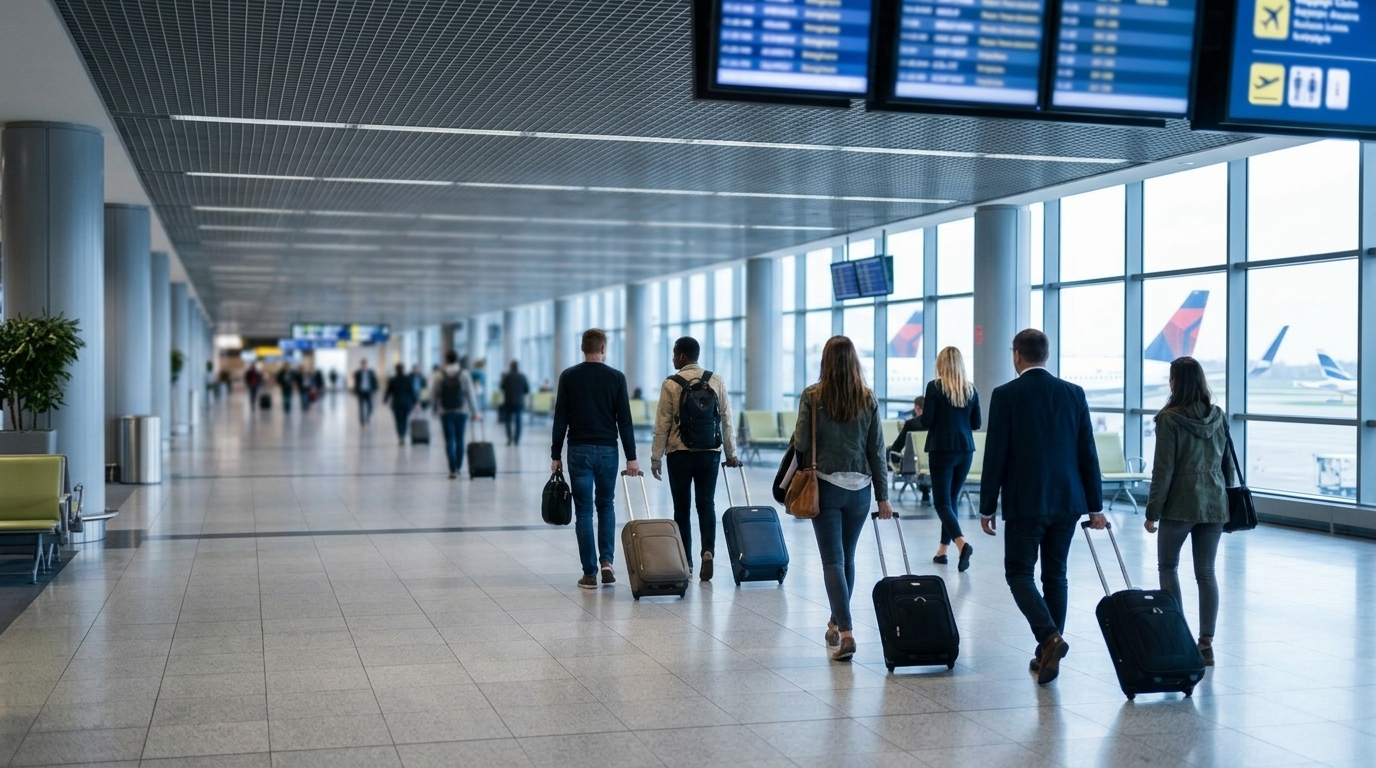
The Montreal Convention is a multilateral treaty adopted by the International Civil Aviation Organization (ICAO) that establishes uniform rules for international air carriage. According to the International Civil Aviation Organization (2025), the Montreal Convention provides a unified legal framework that protects passengers in over 130 countries, ensuring liability for damages up to approximately 128,821 SDRs. Understanding this framework is essential for any traveller crossing borders, as it dictates how airlines are held accountable for incidents that occur outside domestic jurisdictions.
What is the Montreal Convention and why does it matter?
The Montreal Convention is the primary international treaty governing airline liability for passenger injury, death, and baggage or cargo damage. It replaced the outdated Warsaw Convention, modernising the rules to ensure that passengers have a clear path to compensation when things go wrong on international flights.
How the treaty protects passengers
Unlike domestic regulations that vary by country, this treaty provides a consistent standard of protection globally. It simplifies the legal process by allowing passengers to sue for damages in the jurisdiction where they reside, provided the airline has a commercial presence there.
- Standardised liability: Airlines are held to strict liability for proven damages up to a specific limit.
- Global reach: It applies to international flights between member states.
- Consumer protection: It ensures that airlines cannot easily evade responsibility for negligence.
The Montreal Convention serves as the bedrock of international aviation law, ensuring that your rights as a passenger remain protected regardless of where your journey takes you. If you are unsure about your specific coverage, understanding your flight compensation rights in 2026 is the first step in protecting your travel investment.
How does the Montreal Convention handle baggage and delay claims?
When your luggage is lost, damaged, or delayed on an international flight, the Montreal Convention sets specific financial caps on the compensation you can claim. According to a 2024 industry report by the IATA, baggage-related issues remain the most frequent source of passenger complaints, making these protections vital for international travellers.
Limits of liability
For checked baggage, the airline is liable for destruction, loss, or damage up to a limit of 1,288 Special Drawing Rights (SDRs) per passenger. This is a significant improvement over older treaties, providing a more realistic cushion for the cost of your belongings.
- Delayed baggage: You may claim for essential items purchased due to the delay.
- Lost baggage: If your bags are not recovered, you are entitled to the full value of the contents up to the SDR limit.
- Documentation: Always keep receipts for any emergency purchases made while your luggage is missing.
Proactive documentation is your strongest asset when filing a claim under the convention. If you find yourself struggling with airline bureaucracy, you may need to provide a Power of Attorney to allow experts to handle the legal complexities on your behalf.
Claims for flight delays
While the Montreal Convention is often associated with baggage, it also covers damages resulting from flight delays. Airlines are liable for damages caused by delay unless they prove they took all reasonable measures to avoid the damage or that it was impossible to take such measures.
Navigating the claims process
Filing a claim under international law can be daunting, especially when dealing with large carriers. It is important to note that the treaty does not automatically grant compensation; you must prove that the airline failed to meet its obligations. By using a No Win, No Fee Agreement, you can pursue your rightful compensation without the risk of upfront legal costs.
Steps to take after an incident
- Report the issue immediately at the airport and obtain a Property Irregularity Report (PIR).
- Keep all boarding passes, tickets, and receipts for expenses incurred.
- Submit a formal written claim to the airline within the deadlines specified by the treaty.
- If the airline denies your claim, seek professional advice to review your case under the Montreal Convention framework.
Frequently asked questions
Does the Montreal Convention apply to all flights?
No, it specifically applies to international flights between countries that are signatories to the treaty. Domestic flights are generally governed by national laws or specific regional regulations, such as the EU 261/2004 framework for flights within the European Union. Always check your ticket's terms for governing law.
What are Special Drawing Rights (SDRs)?
SDRs are an international reserve asset created by the International Monetary Fund (IMF). The value is based on a basket of major currencies. Because the value fluctuates, the compensation limits under the Montreal Convention are adjusted periodically to maintain their real-world purchasing power for international passengers.
Is there a time limit for filing a claim?
Yes, under Article 35 of the Montreal Convention, any action for damages must be brought within two years from the date of arrival at the destination, or from the date on which the aircraft ought to have arrived. Failing to file within this window will result in a loss of rights.
Can I claim for emotional distress under the convention?
Generally, the Montreal Convention is interpreted to cover physical injury or material damage to baggage. Courts in many jurisdictions have historically been reluctant to award compensation for purely emotional distress or mental anguish unless it is directly linked to a physical injury sustained during the flight.
What happens if my airline refuses to pay?
If an airline denies a valid claim, you have the right to pursue legal action in the courts of the country where the airline is headquartered or where you have your principal place of residence. Many passengers choose to work with legal specialists to navigate these complex international proceedings effectively.
Protect your travel future
The Montreal Convention provides a robust safety net for international travellers, but navigating its legal nuances requires diligence and clear evidence. By understanding your rights and keeping meticulous records, you ensure that you are never left out of pocket when international travel plans go awry.
If you have experienced a disruption on an international flight, do not hesitate to seek professional guidance. Contact the team at Compensall today to evaluate your claim and ensure you receive the compensation you are entitled to under international law.