
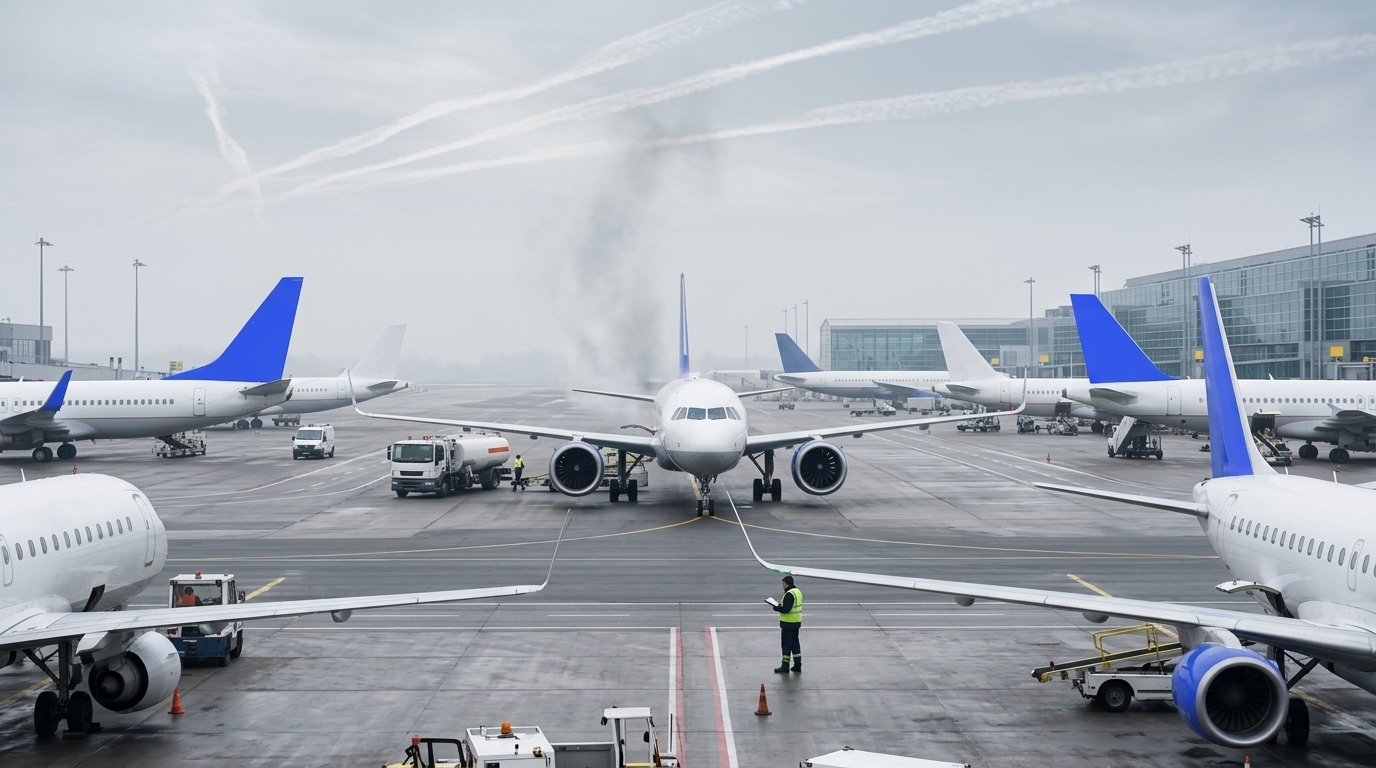
Climate change is no longer just an environmental issue; it is increasingly affecting air travel worldwide. According to the International Air Transport Association (IATA) (2025), climate-related disruptions have increased flight delays by 15% globally, impacting millions of passengers and their rights. Climate change air travel refers to how environmental shifts influence flight schedules, safety, and compensation policies.
What is the impact of climate change on air travel?
Climate change affects air travel primarily through increased extreme weather events such as storms, heatwaves, and flooding. These disruptions cause flight delays, cancellations, and rerouting, leading to a higher volume of passenger claims.
Key climate-related factors affecting flights
- Increased frequency of severe storms and turbulence
- Rising temperatures affecting aircraft performance
- Flooding and infrastructure damage at airports
- Air traffic control restrictions due to weather
Extreme weather is now a leading cause of flight disruptions, surpassing technical issues in many regions.
How does climate change influence passenger rights and compensation?
Passengers are entitled to compensation for delays and cancellations under regulations like EU261, but climate change complicates these claims. Airlines often classify weather disruptions as "extraordinary circumstances," limiting compensation eligibility.
Challenges for passengers
- Difficulty proving airline responsibility
- Increased volume of claims leading to longer processing times
- Variability in national regulations and interpretations
Passengers must understand how climate factors affect their rights to claim effectively.
What are airlines doing to adapt to climate change disruptions?
Airlines and airports are investing in resilience and adaptation strategies to mitigate climate impacts.
Examples of adaptation measures
- Upgrading airport drainage and infrastructure
- Implementing advanced weather forecasting systems
- Adjusting flight schedules and routes proactively
- Investing in more climate-resilient aircraft technologies
According to a 2026 report by the International Civil Aviation Organization (ICAO), 72% of major airlines have adopted at least one climate adaptation strategy.
How can passengers protect their rights amid increasing climate-related disruptions?
Passengers should be proactive and informed to safeguard their rights.
Practical tips for passengers
- Keep detailed records of flight disruptions and communications
- Understand your rights under applicable regulations like EU261
- Use services like Compensall to navigate complex claims
- Consider signing a Power of Attorney for flight claims | Compensall to streamline claim processing
- Review agreements such as No win, no fee Agreement | Compensall for claim handling
Knowledge is power: informed passengers are more likely to receive fair compensation.
Frequently asked questions
How does climate change cause more flight delays?
Climate change increases extreme weather events like storms and heatwaves, which disrupt flight schedules, cause cancellations, and affect airport operations.
Are passengers entitled to compensation for weather-related delays?
Compensation depends on regulations and whether the airline considers the disruption an extraordinary circumstance. Many weather delays fall under this category, limiting compensation.
What can passengers do if their flight is delayed due to climate factors?
Passengers should document the delay, check their rights under EU261 or similar laws, and consider professional claim assistance to improve success chances.
How are airlines adapting to climate change impacts?
Airlines invest in infrastructure upgrades, weather forecasting, and resilient aircraft to reduce disruption risks and improve passenger experience.
Does climate change affect international flight regulations?
Yes, climate change challenges regulators to update policies addressing new disruption patterns, balancing airline liabilities and passenger protections.
Taking action to navigate climate change disruptions
Climate change is reshaping the landscape of air travel, increasing the frequency and severity of flight disruptions. For passengers, this means a growing need to understand their rights and how to claim compensation effectively. Airlines and regulators are adapting, but the complexity of climate-related disruptions demands vigilance and knowledge from travellers.
At Compensall, we are committed to helping passengers navigate these challenges. By staying informed and using expert services, you can protect your rights even as climate change alters the skies. Start by understanding your entitlements and consider empowering your claims with a Power of Attorney for flight claims | Compensall and a No win, no fee Agreement | Compensall. Your journey matters, and so does your compensation.
Also, ensure your personal data is protected during claims with our Privacy and Data Consent | Compensall. Together, we can face the future of air travel with confidence.