
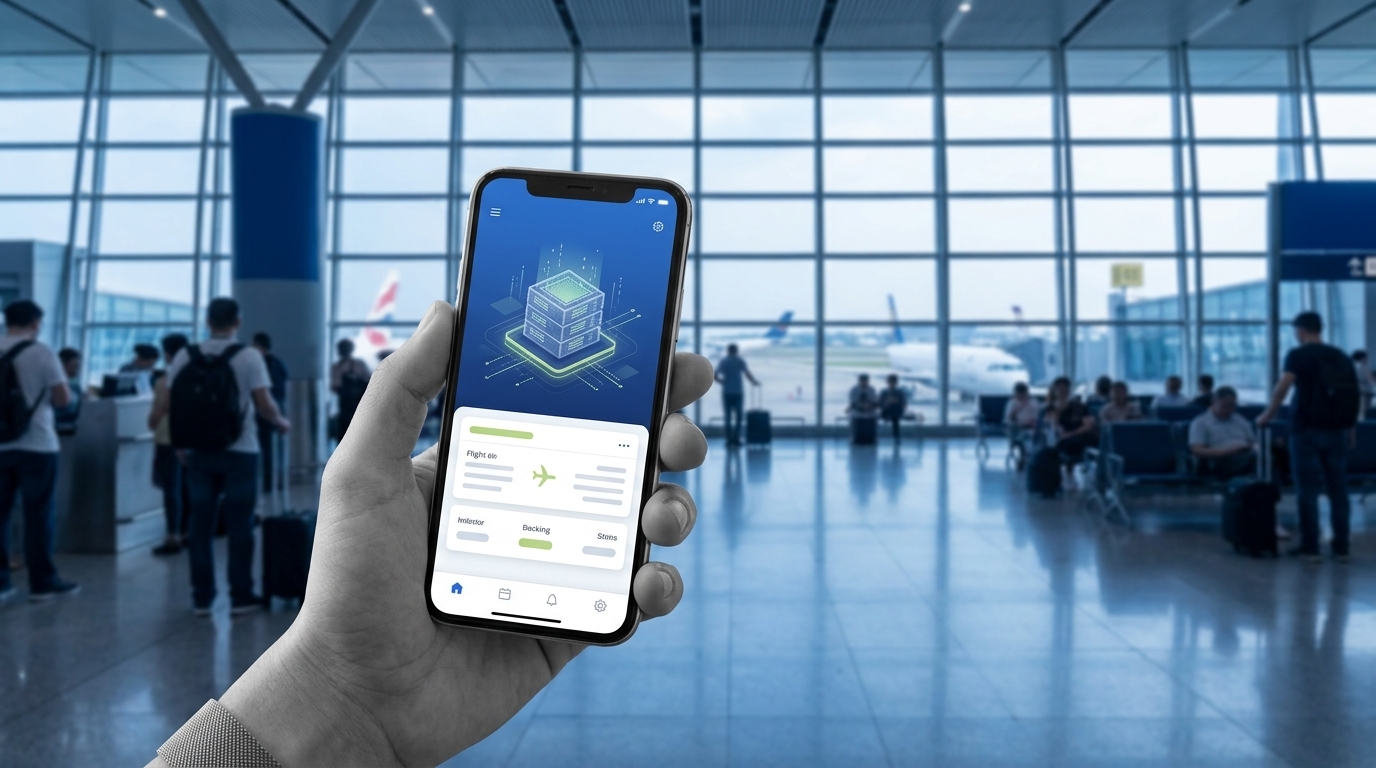
Flight compensation claims have traditionally been a complex and slow process, often causing frustration for passengers and airlines alike. According to Deloitte (2026), 58% of airlines plan to integrate blockchain technology to enhance transparency and efficiency in flight compensation claims by 2028. Blockchain is a decentralized digital ledger that records transactions securely and transparently, offering a new way to manage claims.
What is blockchain technology and how does it apply to flight compensation claims?
Blockchain technology is a distributed ledger system that ensures data integrity and transparency without relying on a central authority. In flight compensation claims, blockchain can securely record every step of the claim process, from submission to resolution.
Key features of blockchain in claims processing:
- Immutability: Once entered, data cannot be altered, preventing fraud.
- Transparency: All parties can track claim status in real time.
- Automation: Smart contracts can trigger automatic compensation payments.
Blockchain eliminates the black box of claims processing, making it visible and trustworthy.
How does blockchain improve passenger experience in compensation claims?
Blockchain enhances passenger experience by speeding up claim resolution and providing clear communication. Passengers gain control and visibility over their claims, reducing uncertainty and delays.
Benefits for passengers:
- Faster payouts: Smart contracts automate payments once conditions are met.
- Reduced paperwork: Digital records simplify submission and verification.
- Enhanced trust: Transparent tracking increases confidence in the process.
According to Accenture (2025), airlines using blockchain reduced claim processing time by 40%, significantly improving customer satisfaction.
What challenges do airlines face when adopting blockchain for compensation claims?
While blockchain offers many advantages, airlines face hurdles in implementation, including technical integration, regulatory compliance, and stakeholder adoption.
Challenges include:
- System interoperability: Integrating blockchain with existing IT infrastructure.
- Legal frameworks: Ensuring blockchain records meet regulatory standards.
- Change management: Training staff and educating passengers on new processes.
Overcoming these challenges requires strategic planning and collaboration with technology partners.
What are the future trends for blockchain in the airline industry?
The airline industry is poised for broader blockchain adoption beyond compensation claims, including ticketing, loyalty programs, and maintenance records.
Emerging trends:
- Cross-industry collaboration: Airlines partnering with airports and regulators on shared blockchain platforms.
- Enhanced data privacy: Using blockchain to secure passenger data while complying with GDPR.
- Integration with AI: Combining blockchain with AI to predict disruptions and proactively manage claims.
According to McKinsey (2026), blockchain adoption in aviation could generate $3 billion in annual cost savings by 2030.
Frequently asked questions
What is blockchain technology in simple terms?
Blockchain is a secure, digital ledger that records transactions across many computers, making data transparent and tamper-proof.
Can blockchain speed up flight compensation claims?
Yes, blockchain automates verification and payments, reducing claim processing time by up to 40%, according to Accenture (2025).
Is my personal data safe with blockchain claims?
Blockchain uses encryption and decentralization to protect data, and airlines must comply with data privacy laws like GDPR.
Do I need special software to track my claim on blockchain?
No, airlines typically provide user-friendly portals or apps that let you monitor your claim status in real time.
Are all airlines using blockchain for compensation claims now?
Not yet, but 58% plan to adopt blockchain by 2028, according to Deloitte (2026), as the technology matures.
Embrace blockchain for smarter flight claims
Blockchain technology is transforming the flight compensation landscape by making claims more transparent, secure, and efficient. Passengers benefit from faster payouts and clear communication, while airlines gain operational savings and improved trust.
To take advantage of these innovations, passengers should stay informed about blockchain-enabled claim options and consider using services that support this technology. Airlines must continue investing in blockchain integration and collaborate with regulators to ensure smooth adoption.
For those interested in the legal and procedural side of claims, understanding documents like the Power of Attorney for flight claims | Compensall and the No win, no fee Agreement | Compensall can simplify your journey. Additionally, reviewing the Privacy and Data Consent | Compensall ensures your data rights are protected throughout the process.
Blockchain is not just a buzzword—it’s the future of fair and efficient flight compensation claims. Embrace this change to experience hassle-free travel compensation in 2026 and beyond.